

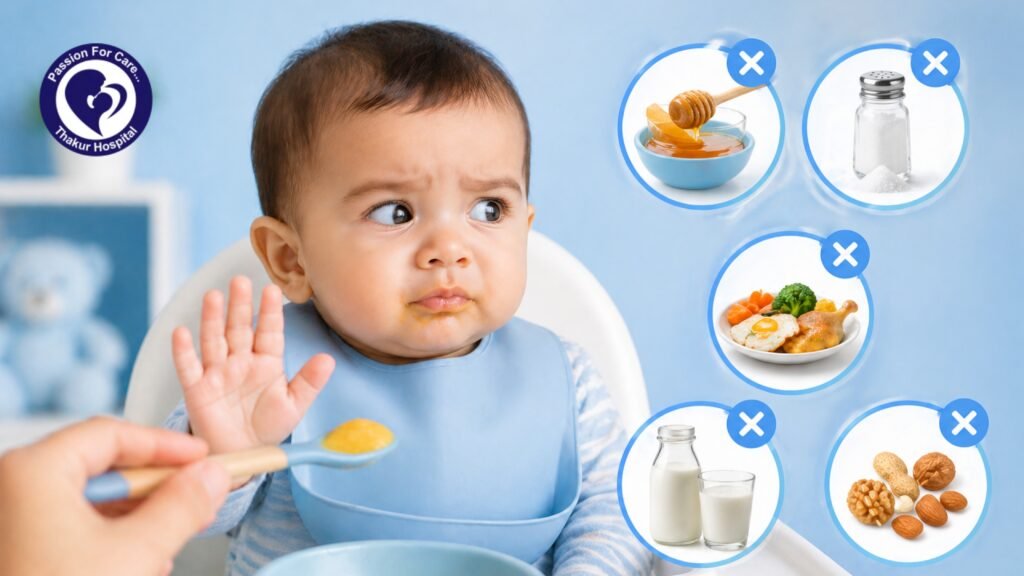
Starting your baby on solid foods is an exciting milestone—but it can also feel confusing. Many parents in Karnal often ask, “When should I start?” or “What if my baby refuses food?” The truth is, introducing solids the right way can set the foundation for your child’s nutrition, growth, and eating habits.
If done incorrectly, it may lead to digestion issues, poor weight gain, or long-term picky eating. Let’s make it simple by understanding the most common mistakes parents make—and how to avoid them.
When is the right time to start solids?
Most babies are ready for solids at around 6 months of age. Before this, breast milk or formula provides all the nutrition they need. Starting too early can affect digestion, while starting too late may lead to nutrient deficiencies, especially iron.
Look for signs of readiness instead of just age:
- Baby can sit with support
- Shows interest in food when others are eating
- Can hold their neck steady
- Opens mouth when offered food
Mistake 1: Starting Too Early or Too Late
Many parents either rush into solids at 4 months or delay it beyond 7–8 months. Both can create problems. Early introduction may cause indigestion or allergies, while late introduction can lead to difficulty in accepting textures and chewing.
The best approach is to begin around 6 months when your baby shows readiness signs. Start slow and keep breast milk or formula as the primary source of nutrition.
Mistake 2: Giving the Wrong First Foods
Not all foods are suitable for a baby’s first meal. Giving spicy, salty, or packaged foods too early can harm your baby’s developing digestive system.
Start with simple, easy-to-digest foods:
- Mashed banana
- Rice water or soft khichdi
- Pureed apple
- Dal water
- Mashed potato
Avoid adding salt, sugar, or honey in the beginning. In Karnal households, traditional homemade foods work best when prepared in a soft, simple form.
Mistake 3: Forcing the Baby to Eat
One of the biggest mistakes parents make is forcing their baby to finish food. This can create a negative relationship with eating and lead to fussiness later.
Instead:
- Follow your baby’s hunger cues
- Stop when they turn their head away or close their mouth
- Keep feeding time calm and positive
- Be patient—some babies take time to accept new tastes
Remember, in the beginning, solids are for learning—not for filling the stomach.
Mistake 4: Ignoring Food Texture Progression
Many parents continue giving only purees for too long. This can delay chewing skills and make babies resistant to textured food later.
As your baby grows:
- Start with smooth purees
- Gradually move to semi-solid mashed foods
- Introduce soft finger foods by 8–9 months
This helps in proper oral development and makes your child comfortable with different food textures.
Mistake 5: Not Watching for Allergies
Introducing new foods without observing reactions can be risky. Some foods may cause allergies, especially in the early stages.
Always follow the 3-day rule:
- Introduce one new food at a time
- Wait for 2–3 days before adding another
- Watch for signs like rash, vomiting, diarrhea, or swelling
If you notice any unusual symptoms, consult a pediatrician immediately.
Bonus Tips for Parents in Karnal
- Prefer fresh, homemade food over packaged options
- Maintain proper hygiene while preparing baby food
- Use clean utensils and filtered water
- Avoid cow’s milk as a main drink before 1 year
- Continue breastfeeding or formula along with solids
How much should your baby eat?
In the beginning, even 2–3 spoons are enough. Gradually increase the quantity as your baby gets comfortable. Every child is different, so avoid comparing with others.
Focus more on quality than quantity.
When should you consult a doctor?
- Baby refuses solids continuously for weeks
- Frequent vomiting after eating
- Poor weight gain
- Signs of food allergy
- Difficulty in swallowing
For expert guidance and child nutrition support, parents can visit Thakur Hospital where experienced pediatricians help you plan the right diet for your baby’s growth and development.
Final thought
Starting solids is not about perfection—it’s about patience and learning. Every baby has their own pace. Avoid these common mistakes, stay consistent, and make mealtime a happy experience. With the right approach, you’ll build healthy eating habits that last a lifetime.